ABCDE Journaling
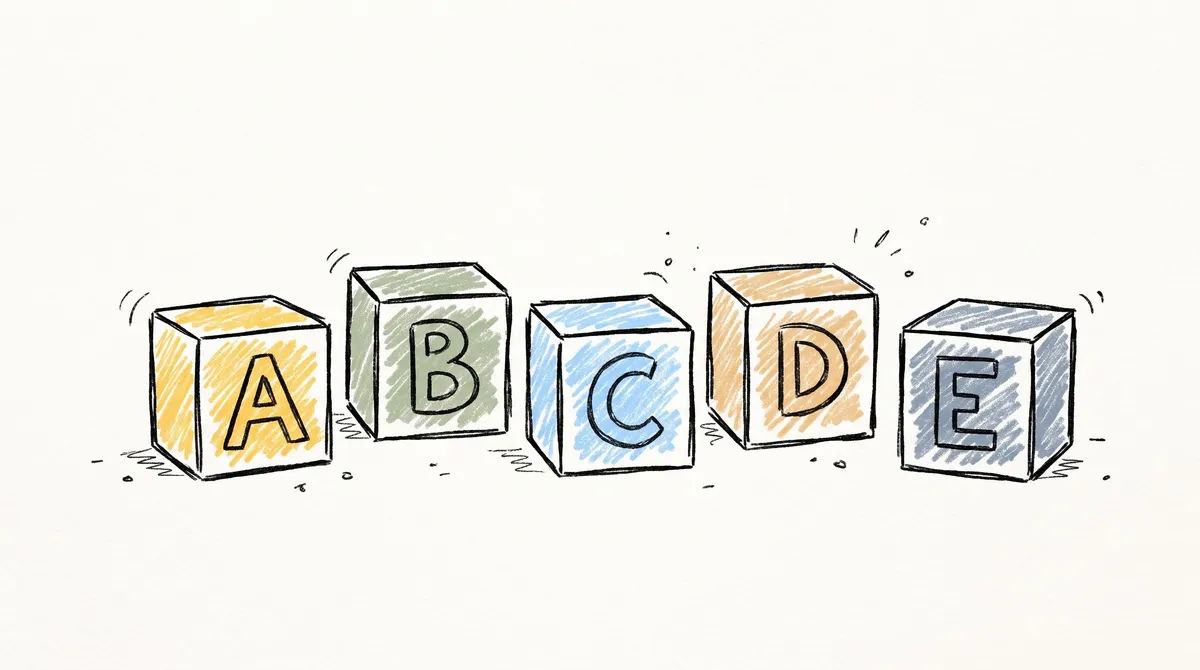
When I was diagnosed with ADHD in 2023, I was instructed to manage this ability with Cognitive Behavioral Therapy (CBT)—particularly, writing a journal entry with the ABCDE format.
I would later find out that this is a variety of Solomon’s Paradox, where it’s easier to give advice to someone else’s concern than to solve your own.
I’ve seen a loved one take meds for a similar circumstance. I’ve seen her feel sleepy all the time. And I didn’t want to feel the same way all day. “Better than meds,” I said to myself so I'd stick to writing.
In this post, I’ll share with you what was instructed to me and how I’m applying it today.
Writing was already a hobby for me. I’d write on memo pads, scratch paper, notebooks, and journals. So it wasn’t a surprise this format clicked with me. At least for a while. I’ll get to the ‘why’ later.
In case you’re wondering how the entry is done, it goes like this:
Activating Event: Describe the specific situation or trigger that occurred. Describe what happened strictly like a security camera would record it. No adjectives, assumptions, or mind-reading.
Beliefs/Thoughts: Identify the automatic negative thoughts or distortions associated with the event. What story is your brain telling you right now? What is the "hot thought" hurting the most?
Consequences: Note the emotional and behavioral responses resulting from those beliefs. How are you feeling physically and emotionally? What are you doing (or avoiding) because of those thoughts?
Dispute: Challenge the negative thoughts with evidence and rational alternatives. 1) What is the hard evidence against this thought? 2) What is a more realistic, temporary explanation? 3) What would I tell a close friend in my shoes?
Effect: Write one grounded, realistic sentence to replace the thought in Step B.
Here’s an example of an entry:
| Step | Entry |
|---|---|
| A | I had a job interview with this particular company. It’s been a month and I have not heard a word from them, and the ad is still up. |
| B | - They probably forgot about it (market is tough, huh) - They found someone better. - I think I did okay, they probably just didn’t want to tell me that I’m rejected. |
| C | Frustrated. Wondered what went wrong. Scrolled on social media hoping to see another job ad. |
| D | - I won't always get the jobs I really want. - It feels bad that I wasn't hired, but it's not awful. - I can tolerate this disappointment. - This one rejection doesn't mean I'm a total failure. |
| E | Still disappointed, but less devastated. Maybe I’ll just follow up with them and move on with the job hunt. |
* Optional
As to “why” I stopped writing these types of entries: it was the system I implemented for myself. I had a notebook assigned for these entries. As the pages grew, so did the friction. And I didn’t have my notebook all the time. Even if I did, I managed to make an excuse not to do it.
When I feel overwhelmed, writing is such a calming move for me. I keep a journal at my bedside and just write. No format. No goal. No erasures.
This week, I simply made a Google Form for each step, with a Long Answer text for the inputs.
I made a script where I’d get a weekly email containing a summary of entries I’ve made and stress levels I ticked throughout the week.
Lowkey excited about what I’d read in the upcoming email.